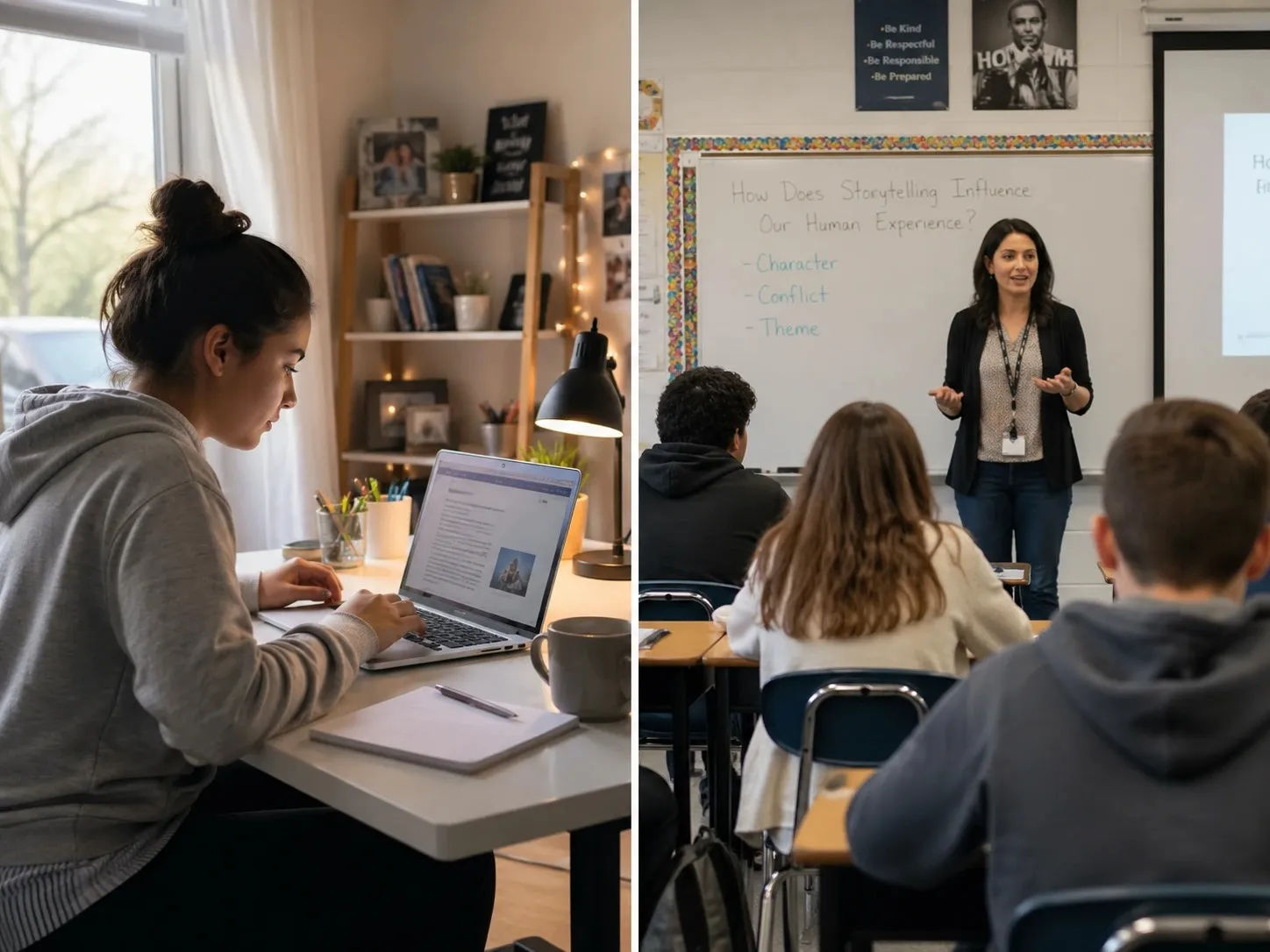
Education has changed faster in the last few years than it did in decades. Classrooms are no longer limited to four walls, and learning is no longer restricted to a fixed schedule. In 2026, students will have a real choice: online education or offline education.
You might be wondering, which one is actually better?
The truth is, there is no single answer that fits everyone. The right choice depends on your goals, learning style, lifestyle, and even your personality.
In this detailed guide, we will break down everything you need to know about online vs offline education in 2026. From benefits and drawbacks to real-life examples and expert tips, this article will help you make the right decision.
Introduction: The Evolution of Learning
A few years ago, online education was seen as a backup option. Now, it has become a mainstream way of learning.
Students today attend virtual classes, watch recorded lectures, use AI tools, and learn from global educators. At the same time, traditional offline education still holds strong because of structure, discipline, and real-world interaction.
So instead of asking “Which is better?”, a better question is:
Which is better for YOU in 2026?
What is Online Education?
Online education refers to learning that happens through the internet. It can include:
- Live virtual classes
- Pre-recorded video lessons
- Online courses
- Digital assignments and tests
Students can learn from home, a café, or anywhere with internet access.
What is Offline Education?
Offline education is the traditional classroom-based system. It includes:
- Physical classrooms
- Face-to-face teaching
- Fixed schedules
- In-person exams and activities
This is the system most people grew up with.
Key Differences Between Online and Offline Education
Here is a quick comparison to help you understand better:
| Flexibility | High | Low |
| Interaction | Limited (virtual) | Strong (face-to-face) |
| Cost | Usually lower | Often higher |
| Discipline | Self-managed | Structured |
| Accessibility | Global | Location-based |
| Learning Style | Self-paced | Fixed pace |
Advantages of Online Education in 2026
Online learning has become smarter, faster, and more personalized. Let’s explore its biggest advantages.
1. Flexibility and Freedom
One of the biggest benefits is flexibility.
- Study anytime
- Learn from anywhere
- Choose your pace
This is perfect for students who work part-time or manage other responsibilities.
2. Cost-Effective Learning
Online courses are usually cheaper because:
- No travel costs
- No hostel fees
- Affordable course options
Many platforms even offer free courses.
3. Access to Global Knowledge
You are not limited to local teachers anymore.
You can learn from experts across the world without leaving your home.
4. Personalized Learning Experience
Online platforms use smart tools to:
- Track your progress
- Suggest improvements
- Customize lessons
This makes learning more efficient.
5. Skill-Based Learning Focus
Most online education focuses on practical skills like:
- Digital marketing
- Coding
- Content creation
- Business skills
This is especially useful in today’s job market.
Disadvantages of Online Education
Despite its benefits, online education is not perfect.
1. Lack of Discipline
Without a fixed schedule, many students struggle to stay consistent.
You need strong self-control.
2. Limited Social Interaction
You miss:
- Face-to-face conversations
- Classroom discussions
- Campus life
This can affect communication skills.
3. Screen Fatigue
Spending long hours on screens can cause:
- Eye strain
- Fatigue
- Reduced focus
4. Technical Issues
Internet problems or device limitations can interrupt learning.
Advantages of Offline Education
Traditional education still has strong advantages.
1. Structured Learning Environment
Offline education provides:
- Fixed timetable
- Regular classes
- Organized curriculum
This helps students stay disciplined.
2. Better Teacher-Student Interaction
Face-to-face learning allows:
- Instant doubt solving
- Personal attention
- Better understanding
3. Social Development
Students learn important life skills like:
- Communication
- Teamwork
- Confidence
4. Practical Exposure
Offline education includes:
- Labs
- Workshops
- Group projects
These experiences are difficult to replicate online.
Disadvantages of Offline Education
1. Less Flexibility
You must follow:
- Fixed schedule
- Physical attendance
- Location constraints
2. Higher Costs
Offline education includes:
- Tuition fees
- Transportation
- Accommodation
3. Limited Learning Resources
You are often restricted to:
- Local teachers
- Prescribed syllabus
4. Time-Consuming
Travel time and fixed schedules can reduce productivity.
Step-by-Step Guide: How to Choose the Right Option
Choosing between online and offline education can feel confusing. Here is a simple step-by-step approach.
Step 1: Identify Your Goal
Ask yourself:
- Do you want a degree?
- Do you want skills?
- Are you preparing for a job?
Step 2: Understand Your Learning Style
- Do you prefer self-learning? → Online
- Do you need guidance? → Offline
Step 3: Check Your Budget
- Limited budget → Online
- Flexible budget → Both options open
Step 4: Evaluate Your Discipline Level
- Self-motivated → Online works well
- Need structure → Offline is better.
Step 5: Consider Your Career Field
Some fields require physical training:
- Medicine
- Engineering
- Science labs
Others are perfect for online learning:
- Marketing
- Design
- IT skills
Online vs Offline Education: Real-Life Example
Let’s take a simple example.
Rahul wanted to learn digital marketing. Instead of joining a college course, he took online classes. Within 6 months, he started freelancing and earning.
On the other hand, Priya wanted to become a doctor. She chose offline education because it requires hands-on training.
Both made the right decision based on their goals.
Hybrid Learning: The Future of Education
In 2026, a new model is rising fast: Hybrid Learning.
This combines both methods:
- Online theory classes
- Offline practical sessions
Why is this powerful?
- Flexibility + structure
- Global knowledge + real-world experience
Many institutions are now adopting this approach.
Tips to Succeed in Online Education
If you choose online learning, follow these tips:
1. Create a Study Routine
Set fixed hours for learning.
2. Remove Distractions
Keep your phone away while studying.
3. Take Notes
Writing improves memory.
4. Stay Consistent
Even 1 hour daily is powerful.
5. Join Communities
Interact with other learners.
Tips to Succeed in Offline Education
1. Attend Classes Regularly
Consistency matters.
2. Ask Questions
Never hesitate to clear doubts.
3. Participate in Activities
This builds confidence.
4. Build Relationships
Networking helps in future careers.
5. Manage Time Properly
Balance studies and personal life.
Common Mistakes Students Make
Avoid these mistakes:
1. Choosing Based on Trend
Just because online is popular doesn’t mean it’s right for you.
2. Ignoring Personal Learning Style
This leads to poor performance.
3. Lack of Planning
No clear goals = wasted time.
4. Overloading Courses
Too many courses reduce focus.
5. Not Taking Action
Learning without implementation is useless.
Online vs Offline Education: Expert Insights
Education experts agree on one thing:
Learning effectiveness depends more on the student than the method.
A focused student can succeed in both systems.
However:
- Online education suits independent learners.
- Offline education suits guided learners.
Practical Strategies for 2026 Students
Here are some smart strategies:
Combine Both Methods
Use online resources alongside offline classes.
Focus on Skills + Knowledge.
Degrees are important, but skills matter more.
Use Technology Smartly
AI tools can improve learning speed.
Keep Updating Yourself
Education is no longer one-time.
If you want more helpful guides like this, you can explore practical insights and trending topics on
Tefetimes
Tefetimes
For a deeper understanding of modern education trends, you can refer to this trusted educational research:
Educationcorner
Educationcorner
Final Verdict: Which is Better in 2026?
Here is the honest answer:
- Online education is better for flexibility, affordability, and skill-building
- Offline education is better for structure, discipline, and practical exposure.
But the real winner is:
The one that matches your goal and mindset
If you are serious and focused, both paths can lead to success.
Final Actionable Advice
Before you choose, do this:
- Write your career goal clearly.
- Analyze your strengths and weaknesses.
- Start small and test your method.
- Stay consistent for at least 90 days.
You don’t need the perfect system.
You just need the right approach.