
Introduction
In today’s fast-moving world, our minds are always busy. We think about work, family, goals, stress, and sometimes we don’t even understand what we truly feel. This is where journaling becomes powerful.
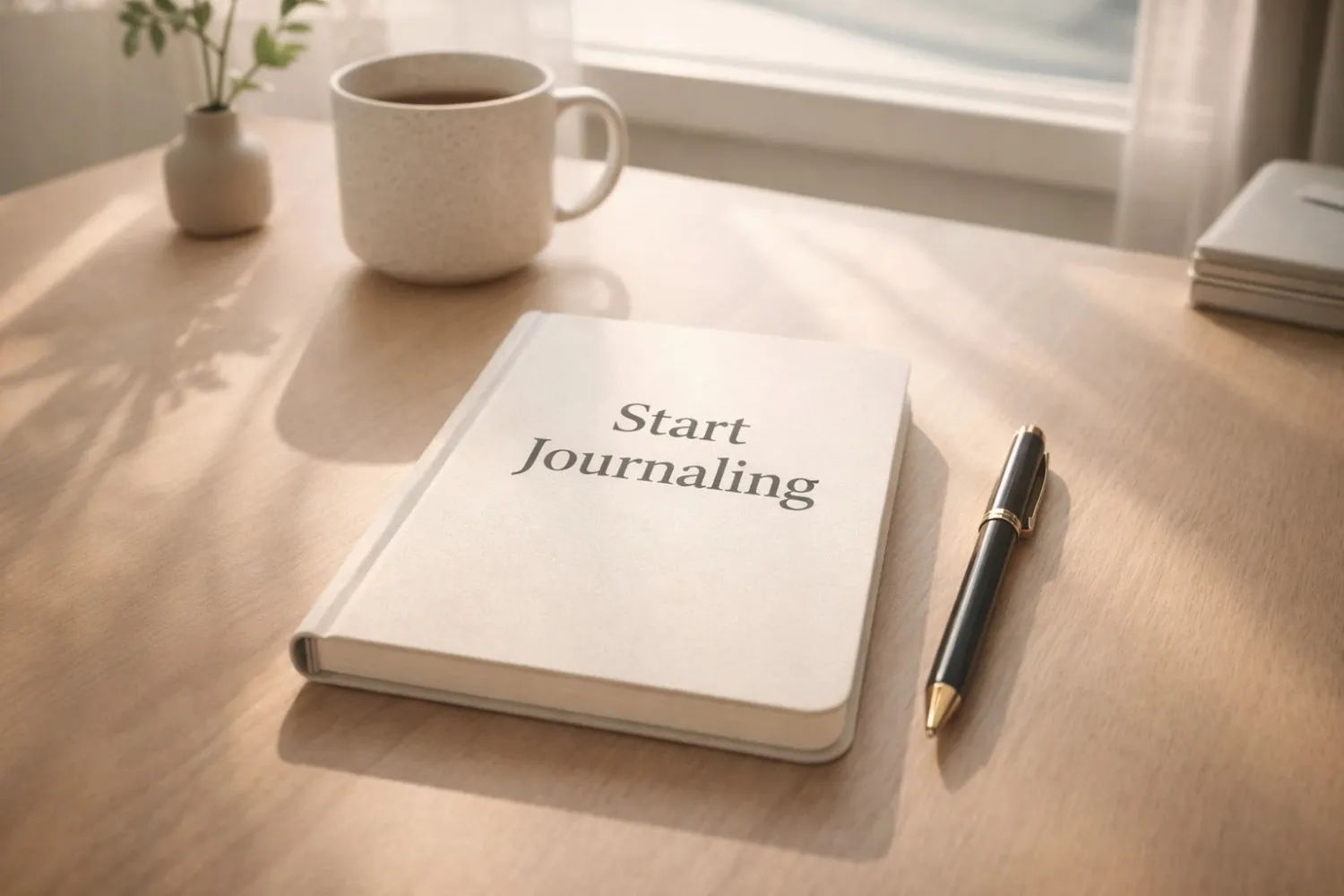
Journaling is one of the simplest habits you can start, yet it can completely transform your life. You don’t need expensive tools, special skills, or perfect writing. All you need is a notebook, a pen, and your thoughts.
Many people ask:
“How do I start journaling if I have never done it before?”
This guide will help you step-by-step in the easiest way possible. By the end of this blog, you will know:
- How to start journaling
- What to write daily
- Different types of journaling
- Tips to stay consistent
- Mistakes to avoid
What is Journaling?
Journaling simply means writing your thoughts, feelings, ideas, or daily experiences in a notebook or digital format.
It is like talking to yourself — but on paper.
You don’t need to be a writer. You don’t need perfect grammar. Journaling is personal. It is just for you.
Why Should You Start Journaling?
Journaling is not just writing — it is a powerful tool for your mind.
1. Clears Your Mind
When you write your thoughts, your mind feels lighter. It reduces overthinking.
2. Reduces Stress
Writing helps release emotions like anger, anxiety, and fear.
3. Improves Focus
You understand your priorities better.
4. Helps in Self-Understanding
You learn more about yourself — your habits, emotions, and goals.
5. Builds Discipline
Writing daily creates a strong habit.
Step-by-Step Guide: How to Start Journaling
Step 1: Choose Your Journal Type
You can start journaling in different ways:
- Notebook (simple diary)
- Digital journal (mobile or laptop)
- Notes app
- Google Docs
👉 Beginners should start with a physical notebook because it feels more personal.
Step 2: Don’t Wait for Perfection
Many people don’t start because they think:
- “What should I write?”
- “My writing is not good”
Truth:
👉 There is no right or wrong in journaling.
Just start.
Step 3: Start Small
You don’t need to write pages.
Start with:
- 3 lines daily
- 5 minutes writing
Example:
- Today I felt tired but productive
- I completed my work
- I want to improve my focus
Step 4: Write Freely
Don’t think too much. Just write whatever comes to your mind.
You can write:
- Thoughts
- Feelings
- Plans
- Problems
- Ideas
Step 5: Make It a Daily Habit
Choose a fixed time:
- Morning (best for clarity)
- Night (best for reflection)
Consistency is more important than perfection.
3 Journaling Styles You Can Try
1. Daily Journaling
Write about your day.
Example:
- What happened today
- What you learned
- How you felt
2. Gratitude Journaling
Write things you are thankful for.
Example:
- I am grateful for my family
- I am thankful for good health
- I appreciate my progress
3. Goal Journaling
Write your goals and track progress.
Example:
- My goal is to learn a new skill
- Today I worked 1 hour on it

What to Write in Your Journal (Beginner Ideas)
If you don’t know what to write, try these:
Daily Prompts
- How do I feel today?
- What made me happy today?
- What did I learn today?
- What can I improve tomorrow?
Deep Prompts
- What are my biggest goals?
- What is stopping me?
- What makes me feel stressed?
Creative Prompts
- Write your dream life
- Write a letter to your future self

Best Time for Journaling
There is no perfect time, but here are the best options:
Morning Journaling
- Clears your mind
- Sets daily goals
- Boosts focus
Night Journaling
- Helps reflect on your day
- Improves sleep
- Reduces stress
👉 Choose what works for you.
How to Stay Consistent with Journaling
Consistency is the biggest challenge.
Here’s how to stay regular:
1. Keep It Simple
Don’t write too much.
2. Set a Reminder
Use phone alarm or habit apps.
3. Keep Journal Visible
Keep it on your desk or bed.
4. Don’t Judge Yourself
Bad writing is still progress.
5. Make It Enjoyable
Use colors, stickers, or creative writing.

Common Mistakes Beginners Make
Avoid these mistakes:
1. Trying to Be Perfect
You don’t need perfect writing.
2. Writing Too Much
Start small.
3. Skipping Days
Consistency matters more than quantity.
4. Comparing with Others
Your journal is personal.
5. Overthinking
Just write.
Benefits of Journaling (Long-Term)
If you continue journaling, you will see:
- Better mental clarity
- Strong emotional control
- Improved decision-making
- Higher productivity
- Self-growth
Journaling vs Overthinking
Many people overthink a lot.
Journaling helps because:
- It organizes your thoughts
- It gives clarity
- It reduces confusion
Simple 7-Day Journaling Plan
| Day | What to Write |
|---|---|
| Day 1 | How do I feel today |
| Day 2 | My goals |
| Day 3 | What I learned |
| Day 4 | Gratitude list |
| Day 5 | My problems |
| Day 6 | Solutions |
| Day 7 | Weekly reflection |
For more scientific benefits of journaling, you can read this trusted guide:
https://www.healthline.com/health/benefits-of-journaling
You can also read our detailed guide on self-improvement habits:
https://tefetimes.com/business/how-to-start-journaling-for-beginners
Final Conclusion
Journaling is one of the easiest and most powerful habits you can start today.
You don’t need:
- Perfect writing
- Big time commitment
- Special skills
You only need:
- A notebook
- 5 minutes daily
- Honest thoughts
Start small. Stay consistent. Be real.
👉 Over time, journaling will not just improve your writing —
it will improve your thinking, your clarity, and your life.